
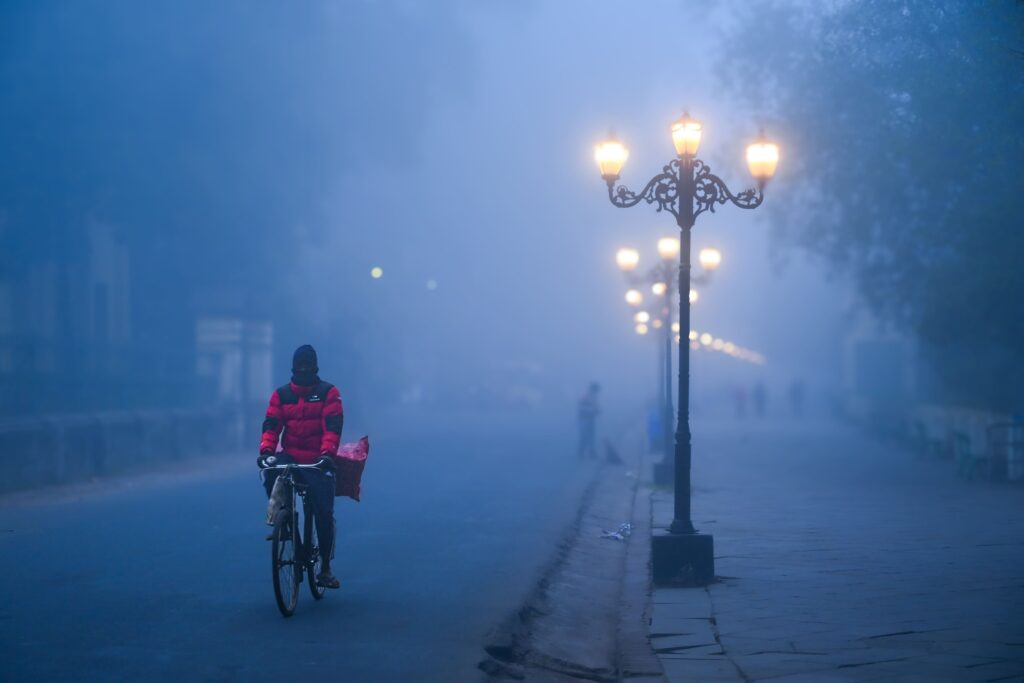
If you live with asthma in North India, you may already know that winter can bring a different set of challenges, including how you choose a room heater for asthma patients.
The mornings become colder. Fog and smog appear more frequently. Air quality can deteriorate, respiratory infections circulate, and stepping outside may leave you coughing or feeling tightness in your chest.
For some people, winter is manageable with a few adjustments. For others, it can mean disrupted sleep, more asthma symptoms and difficulty maintaining a normal routine.
In Delhi NCR and the surrounding regions of Uttar Pradesh, Haryana, Punjab and Rajasthan, winter can be particularly challenging because several factors may overlap. Cold air, elevated air pollution, smoke, dust and respiratory infections can all contribute to breathing difficulties.
But winter asthma management does not have to begin only when symptoms appear.
A better approach is to prepare before winter arrives, adjust your routine as conditions change, and know what to do if your asthma starts getting worse.
This guide takes you through North India’s winter month by month, from October’s preparation period to the colder months of December and January, February’s transition and the return of warmer weather.
The exact conditions vary by city and year, so use this as a flexible guide rather than a fixed prediction of what the weather or air quality will be like.
Why can winter be challenging for people with asthma?
Winter does not affect everyone with asthma in the same way. However, several triggers can become more relevant during the colder months.
1. Cold, dry air
Breathing cold air, particularly during exercise or brisk walking, can trigger coughing, wheezing or chest tightness in some people with asthma.
Cold air may be especially uncomfortable when you move quickly from a warm indoor environment into chilly outdoor conditions.
2. Air pollution and smog
Air pollution is a major concern during North India’s winter season. In Delhi NCR, pollutants from vehicles, industry, construction, waste burning and other sources can combine with weather conditions that limit how quickly pollution disperses.
Calm winds and temperature inversions can contribute to pollution accumulating near the ground. These conditions are one reason winter air quality can deteriorate significantly in parts of North India. <Cite refs={[“turn199757search0″,”turn199757search4″,”turn199757search25”]}/>
Fine particulate matter, including PM2.5, can affect respiratory health and may worsen asthma symptoms.
3. Respiratory infections
Colds, influenza and other respiratory infections can trigger asthma symptoms. Winter gatherings, travel and time spent in shared indoor spaces may increase opportunities for infections to spread.
A cold that seems minor to someone else can sometimes lead to a more difficult recovery when you have asthma.
4. Indoor triggers
When the weather becomes cold, we often spend more time indoors with windows closed. This may reduce exposure to cold air or outdoor pollution entering the home, but indoor pollutants can also build up.
Potential triggers include:
- Smoke from incense, dhoop or mosquito coils
- Cooking fumes and smoke
- Dust from cleaning or renovation
- Strong fragrances and cleaning sprays
- Dampness and mould
- Smoke from solid-fuel heating or other combustion sources
5. Changes to everyday routines
Cold mornings may discourage exercise. Pollution alerts may change your commute. Poor sleep can leave you tired, and a respiratory infection may interrupt your normal schedule.
These changes can make winter harder to manage, especially if you are trying to balance work, family responsibilities and asthma care.
The solution is not to avoid every possible trigger. It is to identify the exposures that affect you, reduce avoidable risks and prepare for the situations you are most likely to encounter.
October: Prepare before winter arrives
October is a useful month to review your asthma management before colder weather and winter pollution become more prominent.
In parts of North India, air quality may begin deteriorating during the post-monsoon period, although the timing and severity vary from year to year.
Rather than waiting for the first difficult breathing episode, use October to get organised.
Your October asthma checklist
Review your asthma treatment
- Check that you have your prescribed medicines and that they have not expired.
- Confirm that you understand how to use your inhaler correctly.
- Ask your healthcare professional whether your asthma control needs reviewing.
- Check that you know what your written asthma action plan says to do if symptoms worsen.
Prepare for pollution season
- Learn how to check the AQI for your neighbourhood and workplace.
- Identify indoor alternatives for walking or exercise.
- Check whether your home has indoor pollution sources you can reduce.
- If you use an air purifier, review its filter condition and maintenance instructions.
Prepare for respiratory infections
- Ask your healthcare professional which vaccinations are appropriate for you, including influenza vaccination where recommended.
- Make a plan for what to do if you develop a cold or another respiratory infection.
- Avoid sharing personal medicines or changing your treatment based on another person’s experience.
A small change that can help
Save your asthma action plan somewhere accessible, whether it is printed or stored digitally.
When you are unwell, tired or struggling to breathe comfortably, it can be difficult to remember what to do. Having your clinician-approved plan ready means you do not have to start figuring everything out during an episode.
November: Watch for worsening air quality
November can be a difficult month for many people living with asthma in Delhi NCR and nearby parts of North India.
Pollution levels may rise due to a combination of emissions, weather conditions, local activities and regional sources. Firecrackers and biomass burning may contribute during some periods, but they are only part of a much larger pollution problem.
Not every November will have the same conditions, so checking current air quality is more useful than assuming the air will be poor every day.
What to focus on in November
1. Check the AQI before planning outdoor activities
Make it a habit to check the latest reading before a morning walk, outdoor workout or longer commute.
India’s AQI categories are:
- Good: 0–50
- Satisfactory: 51–100
- Moderate: 101–200
- Poor: 201–300
- Very Poor: 301–400
- Severe: 401–500
These categories provide general guidance, not a personal prediction of whether you will experience symptoms. If pollution regularly affects your asthma, consider reducing outdoor exertion when conditions deteriorate.
2. Adjust exercise rather than automatically giving it up
If the AQI is poor, consider moving your walk or workout indoors. If you must go outside, reduce unnecessary exposure and avoid strenuous activity when pollution is severe.
Choose an indoor environment that is reasonably free from smoke, strong fragrances and other triggers. If exercise causes wheezing, chest tightness or unusual breathlessness, stop and follow your asthma action plan.
3. Reduce indoor smoke
November often brings more celebrations and social gatherings. If smoke from firecrackers, incense, dhoop or mosquito coils affects your breathing, consider avoiding the source or moving to a cleaner indoor space.
Smoke can travel into homes even when you are not directly beside the source.
4. Plan your commute
Where possible, choose routes away from heavy traffic and reduce the time you spend beside busy roads. If your work allows flexibility, consider adjusting outdoor errands or meetings during severe pollution episodes.
What if the AQI changes during the day?
Do not assume that mornings are always worse or that evenings are always safer. Pollution patterns vary with local emissions, weather and pollutant type.
Use current readings and reliable forecasts where available. If you notice symptoms despite a seemingly acceptable AQI, remember that local pollution or indoor triggers may not be fully reflected in the reading.
December: Manage cold air and changing routines
December often brings colder mornings and nights across much of North India. The extent of the cold varies by location, and air pollution may remain a concern.
For someone with asthma, the combination of cold air, poor air quality and disrupted routines can make this month particularly demanding.
Protect yourself from cold-air triggers
If cold air triggers your asthma, try these practical measures:
- Cover your nose and mouth loosely with a scarf to help warm the air you breathe.
- Avoid sudden bursts of strenuous activity in cold conditions.
- Give yourself time to warm up before exercise.
- Move indoors if cold air causes coughing, wheezing or chest tightness.
- Follow any exercise-related advice in your asthma management plan.
A scarf may make cold air more comfortable, but it is not a substitute for asthma medication or protection against air pollution.
Be thoughtful about heating and smoke
Some homes use heaters, fireplaces or other heating arrangements during colder weather. The type of equipment matters.
Avoid unvented combustion heaters and never use charcoal burners or outdoor cooking equipment inside a home for warmth. These can create dangerous indoor pollutants, including carbon monoxide.
If you use an electric heater, follow the manufacturer’s safety instructions and keep it away from fabrics and other flammable materials.
Also consider other winter habits that may affect indoor air:
- Reduce smoke from incense and mosquito coils.
- Avoid spraying strong fragrances to freshen a closed room.
- Clean dust without stirring it up.
- Address dampness and visible mould rather than covering the problem with fragrance.
Keep exercise realistic
You may not feel like going outside on a cold morning, but that does not mean you need to stop moving altogether.
Choose activity according to the weather, AQI and your symptoms. On a polluted day, an indoor walk, gentle movement or another suitable activity may be a better choice.
If your asthma is unstable, or you are recovering from a respiratory infection, ask your healthcare professional about an appropriate return to exercise.
January: Prepare for cold spells and persistent pollution
January can bring some of the coldest conditions of the season to parts of North India. In Delhi NCR and neighbouring regions, periods of poor air quality may continue, depending on weather and emissions.
This is a useful month to focus on consistency rather than trying to make dramatic changes.
Your January asthma plan
Check conditions before leaving home
Look at both the weather and AQI. Cold temperatures and poor air quality can occur together, but they are separate factors and need different precautions.
Keep your prescribed medicines accessible
If you commute, travel or spend time away from home, make sure you can access your prescribed asthma medicines when needed.
Pay attention to night-time symptoms
Cold weather, respiratory infections and other triggers can coincide with coughing or wheezing at night.
If asthma symptoms repeatedly wake you, or you are using your prescribed reliever more often than usual, contact your healthcare professional. Do not simply assume that night-time coughing is an unavoidable part of winter.
Take respiratory infections seriously
If you develop a cold, monitor your breathing as well as your other symptoms.
Continue prescribed treatment as directed and follow your asthma action plan. If you become increasingly breathless, your wheezing worsens or your symptoms do not improve as expected, seek medical advice.
What if you are travelling?
Winter travel can involve crowded transport, changing temperatures and exposure to different air quality conditions.
Before travelling:
- Check the forecast and air quality at your destination.
- Pack your prescribed medicines.
- Keep your asthma action plan accessible.
- Plan for breaks if you are likely to become tired.
- Know how to access medical care at your destination.
If you are travelling to a colder location, consider how cold air affects your breathing and follow your usual precautions.
February: Prepare for the transition towards spring
February often brings a gradual shift towards warmer weather in parts of North India, but winter conditions do not disappear on a fixed date.
Cold mornings can continue, pollution episodes may still occur, and some people may begin experiencing seasonal allergy symptoms.
For people with asthma and allergic rhinitis, the transition can be particularly confusing: one trigger may become less prominent while another becomes more noticeable.
What to focus on in February
Continue checking the AQI
Do not stop monitoring air quality simply because afternoons feel warmer. Pollution can remain elevated even when temperatures rise.
Notice changes in allergy symptoms
If sneezing, nasal congestion, itchy eyes or other allergy symptoms begin to increase, consider whether seasonal allergens or other triggers may be contributing.
If you have allergic rhinitis, follow your prescribed treatment and discuss persistent symptoms with your healthcare professional.
Review how the winter went
Ask yourself:
- Did I experience more coughing or wheezing than usual?
- Did I wake at night because of asthma symptoms?
- Did I need my prescribed reliever more frequently?
- Did pollution or cold air repeatedly affect my breathing?
- Did I have a respiratory infection that triggered a flare-up?
- Were there days when my asthma prevented me from following my normal routine?
If winter was particularly difficult, arrange an asthma review rather than assuming that the next winter will automatically be the same.
Your healthcare professional can help assess your control, review your inhaler technique and discuss whether your treatment or action plan needs updating.
March: Do not stop paying attention too soon
By March, many areas begin experiencing warmer days, but North India’s weather can still be variable. Dust, changing temperatures and seasonal allergens may become relevant for some people.
This is a transition month, not a guarantee that asthma triggers have disappeared.
Your March checklist
- Continue prescribed asthma treatment.
- Keep checking the AQI when pollution is a concern.
- Notice whether changing weather or seasonal allergies affect your breathing.
- Review any symptoms that persisted through winter.
- Make sure your asthma action plan remains current.
- Discuss recurring flare-ups with your healthcare professional.
If your symptoms improve as the weather warms, that is useful information. It does not necessarily mean that you should stop preventive treatment.
Asthma can change over time, and treatment decisions should be made with your healthcare professional rather than based only on the season.
A simple daily winter routine for asthma
A month-by-month guide is useful, but a small daily routine can make the advice easier to follow.
In the morning
- Check the AQI and weather if outdoor conditions may affect you.
- Notice how your breathing feels compared with your usual baseline.
- Take prescribed medicines as directed.
- Decide whether outdoor exercise is appropriate or whether an indoor alternative would be better.
During the day
- Reduce avoidable exposure to smoke, dust and traffic pollution.
- Take breaks if you feel unusually tired or breathless.
- Keep prescribed medicines accessible when away from home.
- Follow your asthma action plan if symptoms worsen.
In the evening
- Reduce indoor smoke and other known triggers.
- Avoid allowing dust to build up in your living space.
- Prepare for the next day’s weather and air quality if needed.
- Pay attention to coughing or wheezing that disrupts sleep.
This routine is not intended to make you monitor every breath or worry about every change in weather. It is simply a way to prepare for predictable challenges and notice meaningful changes in your symptoms.
What should you do if winter makes your asthma worse?
Even with careful planning, symptoms can still worsen. Cold air, pollution and respiratory infections can all contribute to asthma flare-ups.
If you notice more coughing, wheezing, chest tightness or breathlessness:
- Move away from the suspected trigger if you can do so safely.
- Follow your written asthma action plan.
- Use prescribed reliever medication according to that plan.
- Contact your healthcare professional if symptoms persist, recur or worsen.
- Seek emergency medical care immediately if breathing difficulty is severe or rapidly worsening.
Emergency warning signs include being unable to speak comfortably in full sentences because of breathlessness, bluish or grey lips, confusion or unusual drowsiness.
Do not wait for the weather to improve or the AQI to fall if you are struggling to breathe.
If winter repeatedly causes your asthma to worsen, arrange a medical review. You may benefit from a review of your asthma control, inhaler technique, medication adherence and possible triggers.
The Global Initiative for Asthma’s 2026 guidance emphasises the importance of a written asthma action plan and knowing when to seek medical help. Your own plan should reflect the treatment prescribed for you.
Winter asthma checklist: Save this for later
Use this checklist at the start of winter or whenever conditions become difficult.
- My prescribed asthma medicines are available and in date.
- I know how to use my inhaler correctly.
- I have an accessible, up-to-date asthma action plan.
- I know where to check India’s AQI.
- I have an indoor alternative for exercise on poor-air-quality days.
- I know which indoor smoke sources or other triggers affect me.
- I have a plan for what to do if I develop a respiratory infection.
- I know when to contact my healthcare professional.
- I know the warning signs that require emergency care.
- I have reviewed recurring winter symptoms with my healthcare professional.
You do not need to tick every box in one sitting. Use the list to identify what would make winter easier to manage.
Siddhant’s POV: Winter is easier to navigate when you prepare before your breathing gets worse
Living with asthma for more than 30 years has made me aware of how much the environment can influence daily life.
In North India, winter can mean thinking about more than the temperature. You may also be checking pollution levels, avoiding smoke, planning exercise around the weather and trying not to catch the respiratory infections that seem to circulate every season.
I have also experienced how important the environment can be. After moving from Delhi NCR to Dehradun, I noticed an improvement in my breathing. That is my personal experience, not a promise that moving to another city will have the same effect for everyone.
One lesson I have taken from living with asthma is that preparation matters. I would rather think about possible triggers and make sensible adjustments before I am struggling to breathe than try to figure everything out during a difficult episode.
That does not mean living in constant fear of winter. It means knowing where to check the AQI, understanding what affects your breathing, keeping prescribed medicines accessible and having a clear plan for worsening symptoms.
I also think it is important to remember that every person with asthma is different. Some people are particularly sensitive to cold air. Others notice a stronger relationship with pollution, respiratory infections or indoor triggers. Many experience a combination.
The aim is not to make winter perfect. It is to make it more predictable, so you can spend less time reacting to problems and more time living your life.
This section reflects Siddhant Jain’s experience of living with asthma for more than 30 years and his personal observation after moving from Delhi NCR to Dehradun.
Conclusion
Winter in North India can bring a challenging combination of cold air, pollution, respiratory infections and indoor triggers for people living with asthma.
But you do not have to approach every month in the same way. October is a useful time to prepare, November is a good time to pay close attention to air quality, December and January call for flexibility around cold weather and pollution, and February and March are opportunities to reassess changing triggers.
Throughout the season, keep your prescribed treatment consistent, reduce avoidable exposure, adjust activities when necessary and follow your asthma action plan if symptoms worsen.
Most importantly, do not assume that worsening breathing is something you simply have to tolerate until spring.
You cannot control the weather or every pollution source, but you can prepare for the season and make informed decisions about your asthma.
Take the next step with Asthma Friend
- Join our community: Connect with people who understand life with asthma at Asthma Friend.
- Learn through play: Explore free educational games at Asthma Friend Games.
- Prepare for worsening symptoms: Create your free asthma action plan using the Asthma Friend Action Plan Generator. Review it with your healthcare professional so it reflects your prescribed treatment.
Frequently asked questions
Several factors may contribute, including cold air, elevated air pollution, respiratory infections and indoor triggers. The combination varies by location and year, and not everyone with asthma experiences worsening symptoms during winter.
There is no single answer for everyone. October and November can bring changing weather and pollution episodes, while December and January may combine colder conditions with continued poor air quality. February can still have pollution and cold spells. Check actual weather and AQI readings rather than relying only on the calendar.
Cold air can trigger coughing, wheezing or chest tightness in some people with asthma, particularly during exercise or rapid breathing outdoors. Covering your nose and mouth loosely with a scarf may make the air feel more comfortable, but it does not replace prescribed treatment.
Not automatically. Your decision should depend on the current AQI, temperature, your asthma control and whether outdoor activity triggers symptoms. On high-pollution days or when cold air affects your breathing, consider moving exercise indoors or changing your plans.
A scarf may help warm the air you breathe in cold weather, but it does not provide reliable filtration against fine particulate pollution. If you need to reduce exposure to airborne particles, consider broader exposure-reduction measures and discuss suitable respiratory protection with your healthcare professional.
Do not change prescribed medication on your own. A pre-winter review with your healthcare professional can help assess your asthma control, inhaler technique and action plan, particularly if you have experienced winter flare-ups in the past.
A properly sized air purifier with effective particle filtration may reduce some airborne particles indoors. It cannot remove every pollutant or replace source control, appropriate ventilation and prescribed asthma treatment.
Monitor your breathing as well as your infection symptoms. Continue prescribed asthma treatment, follow your written asthma action plan and seek medical advice if coughing, wheezing or breathlessness worsens. Seek emergency care for severe or rapidly worsening breathing difficulty.
Can asthma improve when winter ends?
Some people notice fewer symptoms when particular seasonal triggers become less prominent. However, asthma varies between individuals and can remain active throughout the year. Continue prescribed treatment and discuss any changes in symptoms with your healthcare professional.
Last reviewed: 1 November 2026
Information on this page was written against widely published guidance from national and international respiratory health bodies. It is educational only and is not a substitute for personal medical advice from a doctor.

About the author
Siddhant Jain
Siddhant Jain is the founder of Asthma Friend. He has lived with asthma for more than 30 years. After moving from Delhi NCR to Dehradun, his breathing improved, and he built Asthma Friend to give Indian patients and caregivers practical, empathetic education. The content is educational and is not a substitute for advice from a doctor.
Related posts:
 Can Diwali Cleaning Trigger Asthma? How to Do Your Safai Without Dust, Mould and Chemical Fumes
 New Year Resolutions to Manage Your Asthma Better in 2026
 Is Your Child Wheezing With Every Cold? Viral Wheeze vs Asthma in Children Under 5
 Why Occasional Smoking or Hookah Is Dangerous Especially If You Have Asthma
 Avoid Self-Medication: A Vital Step in Managing Asthma Safely
 Traveling with Asthma: A Checklist for Stress-Free Trips
 How to Manage Asthma While Working from Home
 Workplace Stress: The Hidden Trigger Behind Asthma and High Blood Pressure
 Understanding Nebulizers: Are They Better Than Inhalers for Asthma?
 Why Your Asthma Symptoms Can Change from Week to Week