
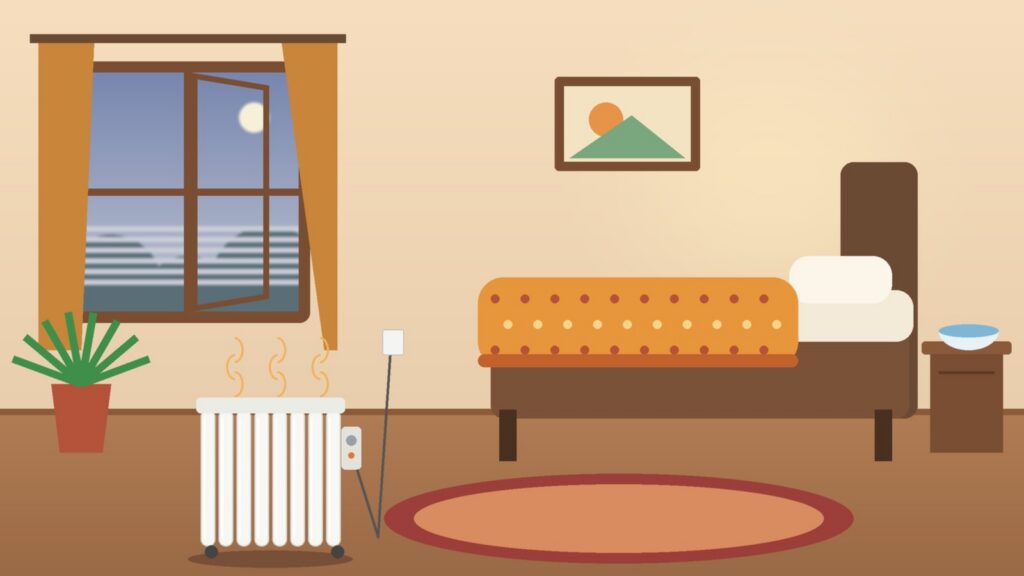
Somewhere between Diwali and the first foggy morning of November, a familiar winter ritual begins. The room heater comes down from the loft, the razai comes out of the trunk, and in many homes across North India someone lights an angithi or sigri and carries it inside “just to take the chill off.” If you or someone you love lives with asthma, this is the time of year to think carefully about how you stay warm. Choosing the right room heater for asthma patients, and using it the right way, can make winter nights calmer for your lungs.
Staying warm matters, but the way you heat a room matters just as much. Some heaters simply warm the air. Others quietly add smoke, fumes or carbon monoxide to the room where your family sleeps. This guide walks you through oil-filled, fan and halogen heaters, why angithi smoke and coal indoors are risky, what to know about gas and kerosene heaters, and how to set up a safer, cosier bedroom.
This article is general education, not medical advice. Everyone’s asthma and triggers are different. Please talk to your doctor about your own symptoms and treatment, and never start, stop or change any asthma medicine on your own.
Electric heaters are usually the gentler choice for asthma because they warm a room without burning fuel indoors. Avoid coal angithis, wood fires and unvented gas or kerosene heaters in closed bedrooms. Warm the room before sleep, keep bedding away from hot surfaces, and watch for dry air. Everyone’s triggers differ, so talk to your doctor if heating seems to worsen symptoms.
1. Why winter heating matters so much when you have asthma
Cold air can make sensitive airways tighten and produce more mucus. Many people with asthma notice more coughing, wheezing or chest tightness when they step out into a foggy morning or sleep in a chilly room. If early mornings are your hardest time, our guide on why winter mornings are risky for people with asthma in India explains the outdoor side of the story.
So keeping the rooms you use most comfortably warm is part of looking after your lungs. The challenge is that winter in Delhi NCR and much of North India also brings smog. If indoor heating adds its own smoke or gases on top of that, your airways get hit from both sides.
The question to ask about any heater
Before comparing brands or prices, ask one simple question: does this heater burn anything inside my room?
- Fuel-burning heating: angithi or sigri with coal or charcoal, wood fires, cow-dung cakes, kerosene heaters, portable LPG gas heaters, and gas stoves left on for warmth.
- Electric heating: oil-filled radiators, fan and ceramic heaters, halogen, quartz and carbon heaters, convector heaters and electric blankets.
Anything that burns fuel releases particles and gases into the air you breathe. Electric heaters warm the room without a flame, so they do not add smoke or carbon monoxide. For lungs, that makes electric heating the safer family by a long way.
2. Angithi smoke and coal indoors: the one habit to stop completely
When coal, charcoal or wood burns without enough air, it produces carbon monoxide. It is a gas you cannot see, smell or taste. In a closed room, it can build up quietly while everyone sleeps. Carbon monoxide from an angithi is a danger for everyone, not just people with asthma.
Even before carbon monoxide becomes dangerous, angithi smoke itself irritates the airways. Coal and wood smoke carries fine particles that can set off coughing and wheezing, much like the smoke from coils and incense covered in our guide to smoke-free alternatives to mosquito coils, incense and dhoop.
Safer habits if your family is used to an angithi
- Never bring a burning angithi, sigri or tasla into a closed bedroom, not even “only until we fall asleep.”
- Never sleep in a room where coal, charcoal or wood is burning or smouldering.
- If coal or wood is burned for warmth at all, keep it outdoors, and keep the person with asthma well away from the smoke.
- Swap the angithi for warm layers, a good razai, a hot water bottle or an electric heater in rooms where people sleep.
- Gently explain the risk to elders who grew up with angithis, and keep windows closed when a street alaav is burning nearby.
3. Gas heaters and kerosene heaters: fumes you may not notice
Portable LPG gas heaters and kerosene heaters are popular because they are cheap to run, and they can feel “cleaner” than coal. But they still burn fuel inside your room.
A gas heater can release nitrogen dioxide, a gas known to irritate airways, along with water vapour and, if it is faulty or the room is poorly ventilated, carbon monoxide. If you are searching for whether a gas heater and asthma can go together, the honest answer is that an electric heater is usually the gentler choice for the room where the person with asthma sleeps.
If your home already uses a gas or kerosene heater
- Consider switching to an electric heater, at least for the bedroom of the person with asthma.
- Use only the fuel it was designed for, and get it checked and serviced regularly.
- Keep the room ventilated with a window slightly open, and never use it in a small, closed room.
- Never leave a fuel-burning heater on while anyone is sleeping.
- Never use a gas stove, tandoor or oven as a room heater.
Gas geysers in closed bathrooms
A gas geyser inside a small, closed bathroom is a well-known winter hazard. Ideally it should be installed outside the bathroom or vented properly. If yours is inside, keep the bathroom ventilated and never bathe with the door and window shut while it runs.
4. Oil-filled vs fan vs halogen: comparing electric heaters
Electric heaters create no combustion fumes, but they differ. Here is a practical comparison, not a product recommendation.
Oil-filled radiator
- Heats sealed oil inside metal fins and warms the room slowly and steadily.
- No glowing element and no fan blowing air around, so it stirs up less dust.
- Its surface gets hot. Keep clothes, curtains and razais away, and never dry clothes on it.
For many families, an oil filled heater and asthma are a comfortable match because the heat is gentle and quiet.
Fan or ceramic heater
- A fan pushes air over a hot coil or ceramic element, so it heats a room quickly.
- The moving air can lift settled dust from floors, curtains and the heater itself.
- A heater that has sat in the loft all year may give off a burning-dust smell when first switched on.
- Never cover it or block the air vents.
Halogen, quartz or carbon heater
- A glowing element sends radiant heat to whatever is in front of it, so you feel warm fast.
- Moves very little air, but the hot element can burn dust that settles on it, which some people notice as a smell.
- Many people report that halogen heater dry air feels harsh on the nose, throat and skin, especially when sitting close to it for long.
- Glowing elements are a fire and burn risk around children, pets, dupattas and bedding.
Which type is best for asthma?
There is no single right answer. Many people with asthma find an oil-filled radiator most comfortable for a bedroom at night. Notice how your chest feels with each type, and tell your doctor if one seems to bother you.
5. Dry air, dust and that first switch-on smell
Even a fume-free electric heater can change how a room feels to your airways.
Dry air
Heating a closed room for hours can make the air feel dry. Some people wake up with a scratchy throat, a dry nose or a tickly cough. Our article on the link between humidity and asthma explains why both very dry and very damp air can be a problem.
- Keep a small bowl of water in the room, away from the heater and out of reach of children.
- Drink enough water through the day, and sip something warm before bed.
- If you use a humidifier, clean and dry it as the instructions say, and avoid making the room damp. Damp rooms encourage mould and dust mites.
- Switch the heater off once the room is warm instead of running it all night.
Dusty heaters and stored razais
A heater that has spent the summer in the loft, and a razai that has been folded in a trunk, can both carry a layer of dust. Shake out and air razais and blankets in the sun before winter, and dust or wipe the heater (unplugged and cool) before its first use. Our 7-day bedroom makeover for dust mites has a simple plan for getting bedding ready.
6. Choosing a room heater for asthma patients: a safer bedroom checklist
Use this checklist to set up a warmer, safer bedroom for the whole family.
- Choose an electric heater for the bedroom, ideally with automatic shut-off and tip-over protection.
- Keep the heater at least a metre away from the bed, curtains, clothes, razais and furniture.
- Place it on a stable, level floor, not on a bed, chair or durrie that can tip.
- Plug it directly into a wall socket rather than an extension board, and do not run the cord under a carpet.
- Warm the room before bedtime, then switch off or use a timer.
- Keep a window slightly open if any fuel-burning appliance is used anywhere in the home.
- Keep children and pets away from hot surfaces and glowing elements.
- Plan for power cuts with extra layers, a hot water bottle and a warm razai, instead of reaching for an angithi.
Consider a battery-operated carbon monoxide alarm if your home uses any gas, kerosene, coal or wood appliance. It is a small cost for real peace of mind.
Stay ahead of winter
Winter is a good time for an asthma review with your doctor. Ask whether your action plan needs a winter update, check your inhaler technique, and make sure your reliever is not expired. For month-by-month ideas, read our guide to winter asthma in North India. And if your mornings start with a cold commute, our tips on cold air and asthma can help.
7. When to seek medical help
Heating can lead to two different emergencies: an asthma attack and carbon monoxide poisoning. Know the signs of both.
Carbon monoxide warning signs
- Headache, dizziness or feeling sick, especially if several people in the same room feel unwell.
- Unusual tiredness, drowsiness, confusion or feeling faint.
- Shortness of breath or chest pain.
- Symptoms that ease when you go outside and return when you come back in.
- A heater or angithi flame that looks yellow or smoky, or soot around an appliance.
If you suspect carbon monoxide: switch off the appliance if it is safe to do so, open doors and windows, get everyone into fresh air straight away, and call your local emergency number (112 in India, 911 in the US/Canada, 999 in the UK, 000 in Australia). Do not go back into the room until it has been checked.
Call your local emergency number or go to the nearest emergency department if
- You are struggling to breathe, or too breathless to speak in full sentences.
- Your lips, tongue or fingertips look blue or grey.
- You feel very drowsy, confused or exhausted.
- Your reliever is not helping, or you need it again very soon.
- Someone has collapsed or cannot be woken.
See your doctor soon if you are coughing or wheezing more at night, using your reliever more often, or a particular heater or room seems to set off your symptoms.
9. A note for readers outside India
The same principle applies in the US, UK, Australia, Canada and elsewhere: if a heater burns fuel inside a poorly ventilated room, it can add particles and gases to the air you sleep in. Open fires, unvented gas heaters, kerosene heaters and wood stoves need careful ventilation and carbon monoxide awareness. Electric heating avoids indoor combustion. Local building rules and heater types vary, so follow product safety guidance and ask a qualified technician if you are unsure about venting.
Siddhant’s POV: Warmth should never cost you your breath
I have lived with asthma for more than 30 years, and winter has always been the season I respect the most. Over the years I have learned that the air inside our homes deserves as much attention as the air outside.
My breathing improved after I moved from Delhi NCR to Dehradun. That experience taught me how much the air around us shapes how we feel every single day. Most of us cannot change the city we live in, but we can change what we breathe at home, and heating is one of the biggest choices we make each winter.
If I could tell readers one thing, it would be this: stay warm, but choose warmth that does not burn anything in the room where you sleep. Talk to the elders in your family about the angithi with love, not fear. And if your chest feels different this winter, do not wait. Speak to your doctor early.
Siddhant Jain, founder of Asthma Friend, has lived with asthma for more than 30 years
Conclusion
Winter warmth and good breathing can go together. Electric heaters, especially oil-filled radiators, are usually the gentler choice for people with asthma because they warm a room without smoke or fumes. Angithis, coal, wood, and unvented gas or kerosene heaters add smoke and gases to indoor air, and should never be used in a closed room where people sleep. Keep heaters safely placed, watch for dry air and dust, know the signs of carbon monoxide poisoning and of a severe asthma attack, and talk to your doctor if winter is making your symptoms worse.
Take the next step with Asthma Friend
- Join our community: Connect with people who understand life with asthma at Asthma Friend.
- Learn through play: Explore free educational games at Asthma Friend Games.
- Create your free asthma action plan: Use the Asthma Friend Action Plan Generator and review it with your doctor before winter.
Frequently asked questions
There is no single best heater for everyone, but electric heaters are generally the safer choice because they do not burn fuel in your room. Many people with asthma find an oil-filled radiator comfortable for bedrooms because it heats gently without a glowing element or a fan stirring up dust.
An oil-filled heater does not produce smoke or carbon monoxide, so it is usually a comfortable option. Keep it away from bedding and curtains, avoid drying clothes on it, and watch for dry air in a closed room. If any heater seems to worsen your symptoms, talk to your doctor.
Many people feel that halogen heaters make the nose, throat and skin feel dry, especially when sitting close for a long time. Keeping some distance, switching off once the room is warm, drinking enough water and keeping a small bowl of water in the room can help.
No. A burning angithi, sigri or coal fire in a closed room can release carbon monoxide, a gas you cannot see or smell, and the smoke can irritate the airways. Never sleep in a room where coal, charcoal or wood is burning.
Portable LPG and kerosene heaters burn fuel inside the room and can release gases that irritate the airways, and carbon monoxide if faulty or poorly ventilated. An electric heater is usually a gentler choice for the room where a person with asthma sleeps.
Common signs include headache, dizziness, nausea, unusual tiredness, confusion and breathlessness, often affecting several people in the same room. If you suspect carbon monoxide, get everyone into fresh air straight away and call your local emergency number (112 in India, 911 in the US/Canada, 999 in the UK, 000 in Australia).
It is safer to warm the room before bed and then switch the heater off or use a timer. Never leave any fuel-burning heater on while sleeping. A warm razai and layers can keep you comfortable through the night.
Last reviewed: 1 November 2026
Information on this page was written against widely published guidance from national and international respiratory health bodies. It is educational only and is not a substitute for personal medical advice from a doctor.

About the author
Siddhant Jain
Siddhant Jain is the founder of Asthma Friend. He has lived with asthma for more than 30 years. After moving from Delhi NCR to Dehradun, his breathing improved, and he built Asthma Friend to give Indian patients and caregivers practical, empathetic education. The content is educational and is not a substitute for advice from a doctor.
Related posts:
 Silent Asthma vs. Anxiety: How to Tell the Difference
 How Indian Joint Families Can Support a Member with Asthma
 New Year Resolutions to Manage Your Asthma Better in 2026
 Why a Cough May Linger After a Cold and When to Seek Care
 Should You Exercise Outdoors When Air Quality Is Poor? Asthma Considerations
 Cold Air and Asthma: How to Plan Walks and Morning Commutes
 Is Your Home Summer-Ready for Asthma? A Cleaning Checklist
 Friendship and Asthma: How My Friends Helped Me Breathe Easier
 Renovating? Low-VOC Paints and Safer Home Upgrades for Asthma-Friendly Homes
 Flying with Asthma from India: Inhalers in Hand Baggage, Airport Security and Dry Cabin Air