
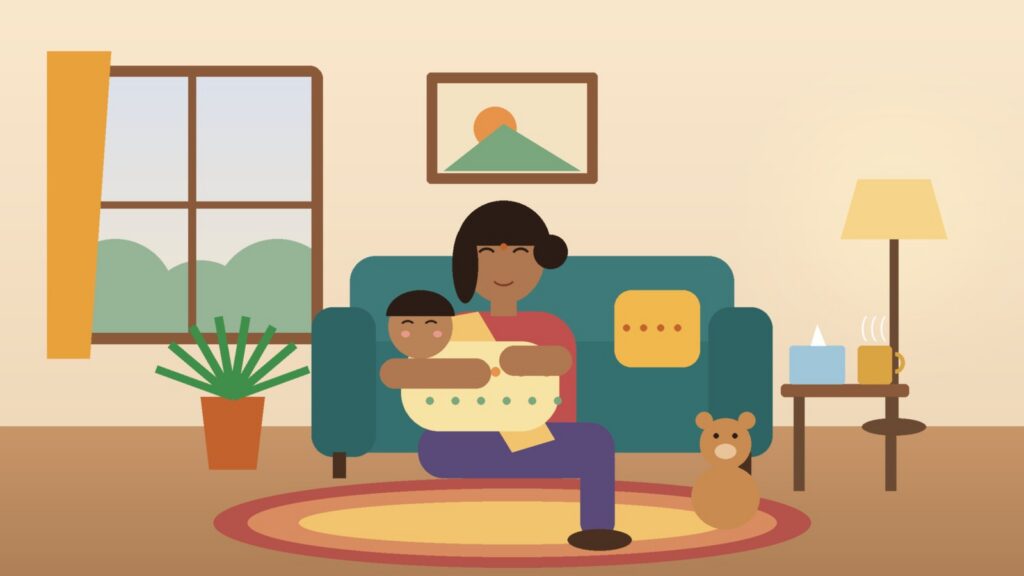
It starts the same way every time. A runny nose, a little fever, a crèche or playschool cold that seems to travel through every child in the class. Then, a day or two later, you hear it: a soft whistling sound when your little one breathes out. By the time winter colds and the smog season arrive, you may be asking the same question many Indian parents ask. Does my child wheeze with every cold because they have asthma?
The honest answer is: not necessarily. Child wheezing with a cold is very common in the early years, and many young children who wheeze only with colds stop wheezing as they grow. Some children, though, do go on to have asthma. This guide explains the difference between viral wheeze and asthma in children under 5, what your paediatrician looks for, and the warning signs that mean you should get help straight away.
This article is general education for parents, not medical advice for your child. Every child is different. Please talk to your paediatrician about your child’s symptoms and treatment.
1. What wheezing actually is
A wheeze is a high-pitched, whistling or musical sound, usually heard when a child breathes out. It happens when the small airways inside the lungs become narrowed, swollen or partly blocked with mucus, so air has to squeeze through.
Parents often use the word wheeze for any noisy breathing, so it helps to know what is and is not a wheeze:
- Wheeze: a whistling sound, mostly on breathing out, coming from the chest.
- Rattly chest: a bubbly or crackly sound from mucus, very common with colds. It often clears after a cough.
- Snuffly or snoring sounds: usually from a blocked nose, not the lungs.
- Stridor: a harsh, high-pitched sound when breathing in, often with a barking cough. This needs prompt medical attention.
If you are not sure what you are hearing, a short video on your phone can help your paediatrician enormously. Noises often disappear by the time you reach the clinic.
Why toddlers wheeze so easily
Young children have small airways. Even a little swelling or mucus during a cold can narrow them enough to cause a wheeze. Common cold viruses are the most frequent trigger in this age group, which is why toddler wheezing in India tends to rise in winter, during the monsoon, and in the weeks after children start a crèche or playschool.
2. Viral wheeze vs asthma: how they differ
Doctors often use terms like viral wheeze, viral-induced wheeze, episodic wheeze or preschool wheeze. They all describe a similar idea: a young child who wheezes during colds and is well in between.
Viral wheeze (episodic preschool wheeze)
- Wheezing appears with a cold or other viral infection and settles as the infection clears.
- Between colds, your child breathes normally, plays, runs and sleeps without coughing or wheezing.
- Many children with this pattern grow out of it as their airways grow.
- It can still be frightening, and some episodes can be serious, so it always deserves a doctor’s assessment.
Asthma
- Wheeze, cough or breathlessness also happen between colds.
- Symptoms may be set off by things other than viruses, such as running, laughing hard, crying, cold air, smoke, dust or pets.
- Night-time or early-morning coughing is common.
- There may be other allergy clues in the child or family.
There is overlap. Some children start with wheeze only during colds and later develop a wider pattern. That is why doctors usually watch the pattern over time rather than giving a label after one episode. If your child already has a diagnosis, our guide to understanding childhood asthma explains the condition in more detail.
3. Why asthma is hard to diagnose in children under 5
In older children and adults, breathing tests can help confirm asthma. Children under 5 usually cannot do these tests reliably, so there is no single test that gives a simple yes or no. Instead, your paediatrician puts together a picture from several pieces.
What your paediatrician may look at
- How often your child wheezes, and how severe the episodes are.
- Whether symptoms happen between colds, with play, laughing, crying or at night.
- Triggers beyond infections, such as smoke, dust, cold air or pets.
- Eczema or food allergy in your child.
- Family history of asthma, eczema or allergies in parents or siblings.
- How your child responds if the doctor decides to try a treatment for a period, and what happens afterwards.
- Other possible causes, such as an inhaled object, reflux or other chest conditions, which the doctor may want to rule out.
This process can feel slow and uncertain for parents. It is normal for a doctor to say “let us watch and see” or to describe the pattern rather than give a firm label. Ask questions until you understand the plan.
A note on sudden wheeze
If wheezing or coughing starts suddenly while your child was playing or eating, especially with small items like peanuts, beads or toy parts nearby, and there was no cold, seek medical help urgently. An inhaled object can cause wheeze too.
4. What you can do at home: a parent’s checklist
You cannot control every virus, but you can make things easier for your child’s airways and give your doctor better information.
Keep a simple symptom diary
- Date each episode started and whether there was a cold or fever.
- What you heard: wheeze, cough, rattly chest or noisy breathing.
- Whether symptoms came at night, with play or between colds.
- Any possible trigger: smoke, incense, dust, cold air, a new pet, high-pollution days.
- Short videos of the breathing and the chest, taken calmly in good light.
- Any medicine the doctor prescribed and how your child seemed afterwards.
Make the home kinder to small lungs
- Keep the home and car completely smoke-free. Second-hand smoke is one of the most important things to avoid around young children. Our guide to tobacco-free homes for children has practical steps.
- Avoid burning incense, mosquito coils or wood indoors, especially near the child’s sleeping area.
- On high-pollution days in Delhi NCR and other North Indian cities, keep windows closed during peak smog hours and plan outdoor play when air is better.
- Reduce dust in bedding and soft toys with regular washing and drying in sunlight where possible.
- Keep damp and mould in check during the monsoon.
Cut down on cold and virus spread
- Teach handwashing before meals and after crèche or playschool.
- Keep a sick child at home when you can, for their comfort and to protect others.
- Ask your paediatrician about routine and seasonal vaccines your child is due for.
- Offer fluids and rest during colds, and keep the nose clear as your doctor advises.
A word on medicines: do not give over-the-counter cough and cold syrups or any other medicine to a young child unless your paediatrician has advised it. Antibiotics do not treat viral colds, and they are only needed if a doctor finds a bacterial infection.
5. Inhalers, spacers and nebulisers: what parents should know
Many Indian families are familiar with nebulisers, and some keep one at home. If your doctor prescribes a reliever or any other medicine for wheezing, they will also tell you how it should be given. For young children, an inhaler is usually given through a spacer with a soft face mask, never sprayed straight into a toddler’s mouth. Many doctors find this method works well and is quicker and easier to carry than a nebuliser, but the choice is your paediatrician’s.
- Ask the doctor or nurse to show you how to use the spacer and mask, and to watch you do it once. Our spacer guide covers use and cleaning.
- Use only the medicine, dose and device prescribed for your child. Do not borrow an older sibling’s or adult’s inhaler.
- Do not start, stop or change any medicine on your own. If you feel a treatment is not working, call your doctor.
- Ask for a written plan that tells you what to do when your child wheezes and when to seek help.
As your child grows, helping them understand their breathing in simple words can reduce fear. Our guide on how to explain asthma to your child has ideas that work for little ones too.
6. When to seek urgent medical help
Trust your instincts. You know your child best, and it is always okay to get help early.
Call 112 or go to the nearest emergency department straight away if your child
- Is struggling to breathe or breathing very fast.
- Has skin sucking in between or under the ribs, or at the base of the throat, with each breath.
- Is too breathless to feed, drink, talk or cry normally.
- Has blue or grey lips, tongue or skin.
- Is very drowsy, floppy, confused or hard to wake.
- Is not helped by the reliever your doctor prescribed, or needs it again very soon.
- Has pauses in breathing, or you feel something is seriously wrong.
See your paediatrician the same day or soon if
- This is the first time you have heard your child wheeze.
- Your child has a high fever, is not drinking enough or has fewer wet nappies.
- Wheezing episodes are becoming more frequent or more severe.
- Your child coughs or wheezes at night or between colds.
- You are unsure how to use the medicines or devices you have been given.
For a closer look at telling an ordinary cold from a breathing flare, read our guide on cold vs asthma flare.
Siddhant’s POV: Patterns matter, and so does the air we breathe
I have lived with asthma for more than 30 years. Over that time, I have learned that asthma is rarely about one moment. It is about patterns: what sets symptoms off, when they appear and what makes them settle.
I also know how much the air around us matters. After moving from Delhi NCR to Dehradun, my breathing improved. That does not mean every family can or should move, but it reminds me that the environment our lungs live in each day makes a real difference, especially for small, growing lungs during the smog season.
If you are a parent watching your little one wheeze through another cold, please do not carry that worry alone. Write things down, record the sounds, ask your paediatrician every question you have, and keep the air at home as clean as you can. You are doing more than you think.
This section reflects Siddhant Jain’s experience of living with asthma for more than 30 years and his personal observation after moving from Delhi NCR to Dehradun.
Conclusion
If your child wheezes with every cold, you are not alone, and it does not automatically mean asthma. Viral wheeze is common in children under 5, and many children outgrow it. Asthma becomes more likely when symptoms also appear between colds, with other triggers, or alongside eczema, allergy or a family history. Because there is no simple test at this age, your paediatrician will look at the pattern over time. Keep a symptom diary, keep your home smoke-free, follow your doctor’s plan, and know the emergency signs. Our guide on helping your child breathe easy has more support for families.
Take the next step with Asthma Friend
- Join our community: Connect with parents and people who understand life with asthma at Asthma Friend.
- Learn through play: Explore free educational games at Asthma Friend Games.
- Create your free asthma action plan: Use the Asthma Friend Action Plan Generator and review it with your child’s doctor so it reflects the treatment they prescribe.
Frequently asked questions
Wheezing with colds is common in young children because their airways are small and easily narrowed by swelling and mucus. It still deserves a check with your paediatrician, especially the first time and whenever your child seems unwell or breathless.
Viral wheeze happens with colds and settles as the infection clears, and the child is well in between. Asthma is more likely when wheeze, cough or breathlessness also happen between colds, with play, laughing, crying, at night or with triggers like smoke and dust. Only a doctor can assess which pattern fits your child.
Many children who wheeze only with colds stop wheezing as they grow. Some go on to have asthma, particularly if they also have eczema, allergies or a family history of asthma. Your paediatrician can review the pattern with you over time.
It can be harder at this age because young children usually cannot do breathing tests. Doctors look at the pattern of symptoms, triggers, family history and how the child responds if they decide to try a treatment.
Not necessarily. For many young children, doctors find an inhaler given through a spacer with a face mask works well. Your paediatrician will choose the right device and show you how to use it.
Do not give over-the-counter cough and cold syrups or any other medicine to a young child unless your paediatrician has advised it. If your child is wheezing, contact your doctor for advice.
Call 112 or go to the nearest emergency department if your child is struggling to breathe, has skin sucking in around the ribs or throat, cannot feed or talk, has blue or grey lips, is very drowsy, or the prescribed reliever is not helping.
Last reviewed: 1 November 2026
Information on this page was written against widely published guidance from national and international respiratory health bodies. It is educational only and is not a substitute for personal medical advice from a doctor.

About the author
Siddhant Jain
Siddhant Jain is the founder of Asthma Friend. He has lived with asthma for more than 30 years. After moving from Delhi NCR to Dehradun, his breathing improved, and he built Asthma Friend to give Indian patients and caregivers practical, empathetic education. The content is educational and is not a substitute for advice from a doctor.
Related posts:
 The Ultimate Guide to Managing Asthma During Seasonal Changes
 The Impact of Asthma on Your Voice
 Silent Asthma: The Hidden Danger of Asthma Without Wheezing
 Asthma-Friendly Cleaning Routine for Kitchens & Bathrooms
 What People with Asthma Wish Others Understood
 Winter Asthma in North India: A Practical Month-by-Month Guide
 Returning to Routine After a Respiratory Infection When You Have Asthma
 Setting Boundaries with Smokers in the Family: Protecting Yourself from Asthma Triggers
 World Environment Day: How Green Spaces Can Help (or Hurt) Asthma
 Mother’s Day with a Twist: Gift Ideas That Show You Care About Her Health