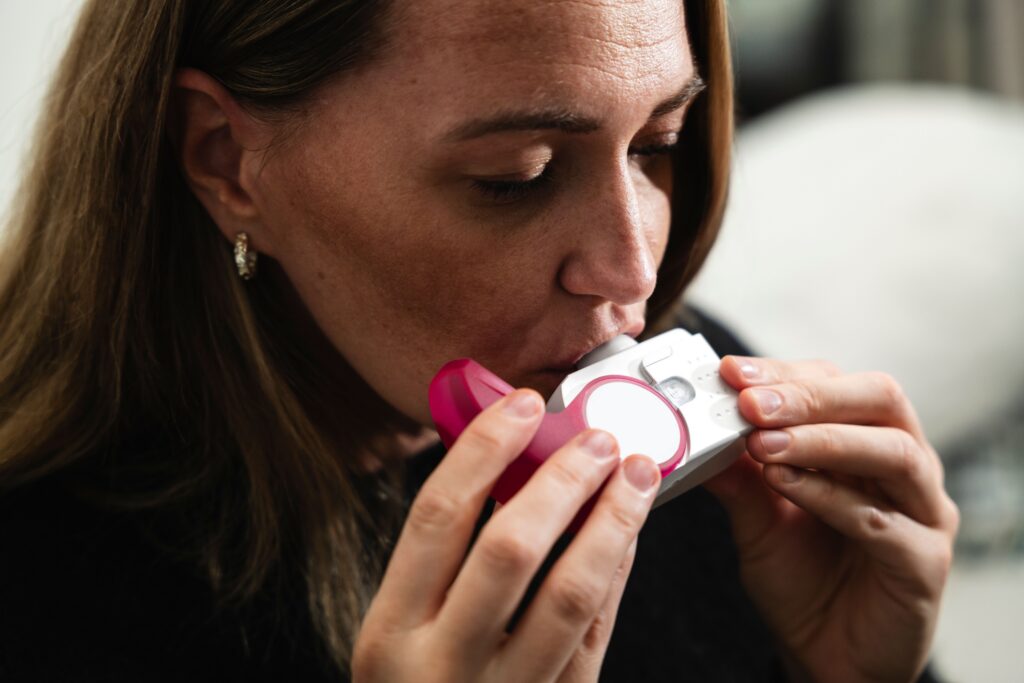
When people think about asthma, they often picture someone reaching for an inhaler during an asthma attack. While that is certainly part of the condition, it barely scratches the surface of the living with asthma reality that millions of people experience every day.
Asthma is not just about occasional breathing difficulties. It influences where people go, what environments they avoid, how they travel, and sometimes even how they work or socialize. Because many people with asthma look perfectly healthy on the outside, others may not realize the daily challenges that come with managing a chronic respiratory condition.
As someone who has lived with asthma for most of my life, I have often found myself explaining why I avoid certain situations, leave events early, or become concerned about things that others barely notice, such as strong fragrances or air pollution. The reality is that asthma affects much more than just breathing.
In this article, we’ll explore what people with asthma wish friends, family members, coworkers, and society understood about living with the condition.
1. Asthma Is Not “Just a Little Breathing Problem”
One of the biggest misconceptions about asthma is that it is a minor inconvenience that only causes occasional symptoms.
In reality, asthma is a chronic inflammatory condition that can significantly impact a person’s quality of life.
Managing asthma often involves:
- Taking daily preventive medication
- Carrying a rescue inhaler
- Avoiding triggers
- Monitoring symptoms
- Regular medical check-ups
- Adjusting daily routines
For many people, asthma is something they think about every day, even on days when they feel well.
2. Asthma Symptoms Can Change Without Warning
Many people expect asthma to be predictable.
The truth is that someone can feel perfectly fine in the morning and struggle with symptoms by the evening.
Common factors that can trigger or worsen symptoms include:
- Air pollution
- Dust
- Weather changes
- Respiratory infections
- Pollen
- Stress and anxiety
- Smoke exposure
- Strong fragrances
This unpredictability can make planning difficult.
If someone with asthma cancels plans at the last minute, it is often because their health genuinely changed, not because they lost interest.
3. Things That Seem Harmless to Others Can Be Serious Triggers
Many people enjoy scented candles, perfumes, incense sticks, and air fresheners.
For someone with asthma, these can trigger:
- Coughing
- Wheezing
- Chest tightness
- Shortness of breath
- Asthma attacks
What feels pleasant to one person may create a difficult breathing environment for another.
Understanding this difference can help create more inclusive and asthma-friendly spaces.
4. We Are Not Being Overly Sensitive
People with asthma often hear comments like:
- “It’s only a little dust.”
- “You’ll be fine.”
- “You’re overreacting.”
- “Don’t worry so much.”
While these comments are usually well-intentioned, they can feel dismissive.
Asthma triggers cause real physical reactions.
A small amount of dust, smoke, or fragrance may seem insignificant to someone without asthma but can lead to hours or even days of symptoms for someone whose airways are sensitive.
Believing and respecting a person’s experience goes a long way.
5. Not Every Asthma Attack Looks Dramatic
Movies often portray asthma attacks as obvious emergencies with loud wheezing and visible distress.
In reality, asthma symptoms can sometimes be subtle.
Signs may include:
- Persistent coughing
- Chest tightness
- Difficulty speaking in full sentences
- Unusual fatigue
- Feeling unable to take a deep breath
Some people experience what is often referred to as silent asthma, where symptoms are serious but not easily visible to others.
This can make asthma difficult for friends, family, and coworkers to recognize.
6. Air Pollution Is a Daily Concern
For many people living in India, air quality is more than an environmental issue it’s a health issue.
Poor air quality can lead to:
- Increased asthma symptoms
- More frequent inhaler use
- Reduced outdoor activity
- Disturbed sleep
- Higher risk of asthma attacks
Many people with asthma check air quality forecasts before planning outdoor activities.
While this may seem excessive to others, it is often an essential part of staying healthy.
7. Asthma Can Affect Mental Health Too
The living with asthma reality includes emotional challenges that are often overlooked.
Breathing is something most people take for granted.
When breathing becomes difficult, it can lead to:
- Anxiety
- Fear
- Stress
- Reduced confidence
- Social isolation
Many people worry about experiencing symptoms in public places, while traveling, or during important events.
The fear of not being able to breathe properly can be emotionally exhausting.
8. Exercise Is Possible, But It Can Be Complicated
A common myth is that people with asthma cannot exercise.
The truth is that many people with asthma participate in sports, go to the gym, and live active lives.
However, physical activity may require:
- Proper warm-ups
- Medication adjustments
- Trigger management
- Monitoring symptoms
Some days are easier than others.
Support and encouragement are often more helpful than assumptions about what someone can or cannot do.
9. Asthma Influences More Life Decisions Than Most People Realize
Asthma affects far more than breathing.
It can influence:
Work
- Attendance during flare-ups
- Exposure to workplace triggers
- Productivity on difficult symptom days
Education
- School attendance
- Participation in sports
- Concentration during symptoms
Social Life
- Travel plans
- Restaurant choices
- Family gatherings
- Outdoor activities
Many of these adjustments happen quietly, without others ever noticing.
10. Sometimes Understanding Matters More Than Advice
People with asthma often receive unsolicited advice.
Examples include:
- “Try breathing differently.”
- “You just need to relax.”
- “Have you tried this home remedy?”
While these suggestions usually come from a place of care, what many people truly need is understanding.
Sometimes the most supportive response is simply:
“I understand. Let me know how I can help.”
That simple statement can make someone feel seen and supported.
Siddhant’s Perspective: Asthma Is Part of Every Decision I Make
Living with asthma has taught me that the condition affects much more than my lungs. It quietly influences many decisions throughout my day.
When friends invite me somewhere, one of my first thoughts is often, “Will there be smoke, strong fragrances, or poor ventilation?” During winter, I sometimes avoid using the metro because the heated indoor air can trigger my symptoms. When visiting someone’s home, I become aware of things that most people never notice like air fresheners, incense sticks, scented candles, dust, or even freshly painted walls.
One thing I wish more people understood is that asthma isn’t always visible. There have been times when I appeared completely normal on the outside while struggling to get a satisfying breath. In my childhood, asthma attacks often came with noticeable wheezing. As an adult, many of my symptoms have become quieter. Sometimes I experience chest tightness or a feeling that I cannot get enough air, even when there is no obvious sign that anything is wrong.
Asthma has also affected how I communicate. During flare-ups, speaking for long periods can trigger coughing or leave me short of breath. This is one reason I often prefer text-based communication over phone calls when my asthma is acting up.
I’ve also learned that asthma rarely exists alone. My allergic rhinitis has played a major role in my asthma journey. Discovering nasal polyps through a CT scan helped me better understand the connection between my nose and lungs. Managing my nasal symptoms through treatments like nasal sprays and regular saline rinses has helped improve my overall asthma control.
At the same time, asthma has taught me resilience. It encouraged me to learn about my triggers, become more aware of my health, and ultimately inspired me to create Asthma Friend.
If there is one thing I wish everyone knew, it is this:
People with asthma are not looking for sympathy, we are looking for understanding. A little awareness can make a huge difference in helping someone breathe easier, both physically and emotionally.
How Friends and Family Can Support Someone with Asthma
If someone in your life has asthma, you can help by:
- Learning about their triggers
- Taking symptoms seriously
- Respecting their need to avoid certain environments
- Avoiding strong fragrances when possible
- Knowing where their rescue inhaler is kept
- Being flexible when plans need to change
- Offering support without judgment
These simple actions can make everyday life much easier for someone managing asthma.
Conclusion
The living with asthma reality is often far more complex than most people realize. Asthma is not simply about occasional breathing difficulties, it influences decisions, routines, emotions, relationships, and daily experiences.
People with asthma are not asking for special treatment. Most simply want awareness, empathy, and understanding.
By learning more about what asthma truly feels like, friends, family members, coworkers, and communities can help create environments where people with asthma feel safer, more supported, and better understood.
At Asthma Friend, we believe that awareness is one of the most powerful tools for helping people breathe easier and live better with asthma.
Frequently Asked Questions (FAQs)
The reality of living with asthma involves managing symptoms, avoiding triggers, monitoring breathing, taking medication, and making daily adjustments to reduce the risk of asthma attacks.
Many environments contain triggers such as dust, smoke, strong fragrances, pollution, mold, or pet dander that can worsen symptoms or trigger asthma attacks.
Yes. Living with asthma can contribute to anxiety, stress, and fear, particularly for people who have experienced severe asthma attacks or unpredictable symptoms.
Asthma varies significantly from person to person. Triggers, symptom severity, and treatment responses can differ, making each individual’s experience unique.
You can support someone with asthma by learning about their triggers, respecting their limitations, taking symptoms seriously, and offering understanding rather than judgment.
Related posts:
 Asthma During Sudden Weather Changes: What Actually Helps
 New Year Resolutions to Manage Your Asthma Better in 2026
 How Long After Painting Is It Safe for an Asthma Patient to Enter a Room?
 The Impact of Air Conditioning on Asthma: Helpful or Harmful?
 How to Manage Asthma While Working from Home
 Asthma and Oral Health: Understanding the Connection and Prevention Tips
 Asthma and Obesity: Understanding the Connection
 Asthma and Type 2 Diabetes: Understanding the Link and Managing Both Conditions
 Silent Asthma vs. Anxiety: How to Tell the Difference
 Journaling Prompts for Asthma Self-Awareness: A Simple Habit to Understand Your Triggers and Patterns